
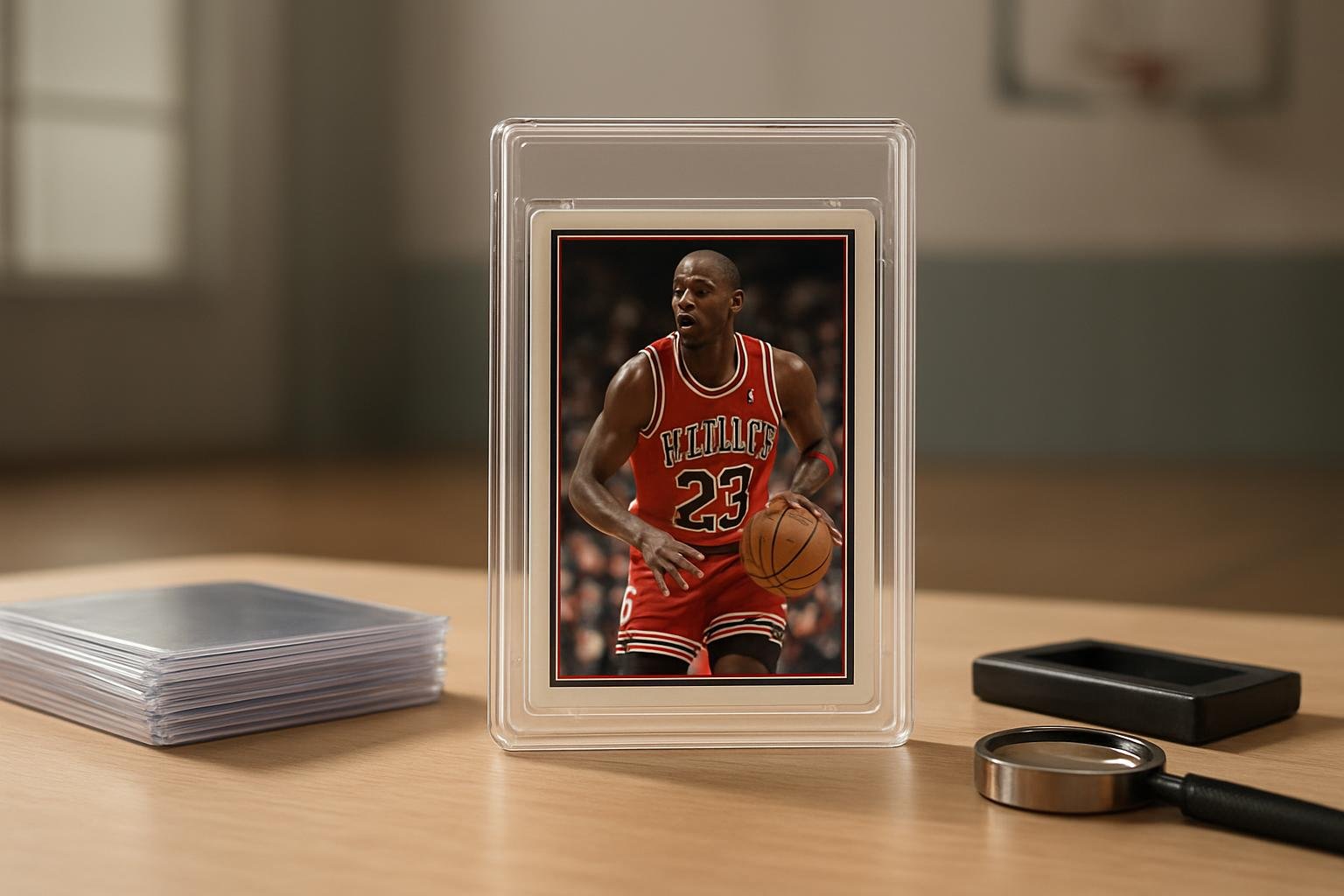
Few young basketball prospects have generated the kind of early hobby attention that Cooper Flagg has. Long before an official NBA rookie card arrives, collectors are already watching his market, tracking new releases, debating scarcity, and trying to decide whether to buy early or wait for the next wave of cards. That level of interest does not happen by accident. It comes from a rare mix of on-court production, national visibility, long-term upside, and the modern collecting culture that moves quickly when a player feels like a future star.
Collectors researching early-market trends and product interest around Cooper Flagg rookie cards should compare scarcity, branding, and grade sensitivity before making a move.
For card collectors, prospect markets can be exciting, but they can also become noisy fast. Prices jump on headlines, social clips, rankings, and tournament performances. In that environment, understanding what actually matters is more useful than reacting to every spike. Cooper Flagg sits at the center of that conversation right now, making him one of the most important names for collectors to follow in the current basketball card landscape.
Why Cooper Flagg Draws So Much Hobby Attention
Flagg is not just another highly rated prospect. He has been treated by many scouts, fans, and hobby observers as a potential franchise-level player. That matters because the sports card market tends to reward athletes who combine talent with broad recognition. A player can be excellent, but if the mainstream sports audience does not follow the story, the card market often stays quieter. Flagg has both ingredients.
His game also helps. Collectors usually respond well to players who can affect every part of the floor. A versatile player with size, defensive impact, scoring ability, and strong basketball instincts often earns more sustained market confidence than a one-dimensional scorer who depends on hot stretches. When the hobby believes a prospect has a complete profile, collectors are more willing to buy in before the player's professional career fully begins.
Another factor is timing. The card market has become more prospect-driven over the last several years. Social media, online breaks, and instant price tracking have made it easier for collectors to discover and chase talent early. That has created a culture where the first meaningful issues, short prints, serial-numbered cards, and graded copies can build momentum before an athlete reaches the biggest stage.
What Counts as an Early Cooper Flagg Card?
With a player at this stage, collectors often need to separate three different categories of cards. The first is pre-rookie material, which can include high school, national team, or early prospect-related releases. The second is collegiate or draft-era material, depending on licensing and product timing. The third is the official rookie card window, which usually becomes the most important category for long-term mainstream demand.
That distinction matters because not every early card carries the same weight in the market. Some releases get attention because they are truly scarce. Others get inflated simply because they are among the first cards available. Being early can help, but staying power usually depends on more than release date alone.
Collectors should look closely at:
- Licensing status: Officially licensed products often hold broader long-term appeal.
- Print run and scarcity: A common early issue may not perform like a numbered or genuinely tough pull.
- Condition sensitivity: Cards with dark borders, foil surfaces, or chrome finishes can carry stronger premiums in high grades.
- Visual appeal: Even serious investors tend to favor cards with strong photography, clean design, and recognizable flagship branding.
- Autographs and parallels: These can create meaningful separation between entry-level cards and premium chase cards.
When collectors talk about Cooper Flagg, they are often talking about more than one market at once. There is a low-entry market for fans who want exposure to the player. There is a mid-tier market for collectors hunting solid parallels or quality graded copies. Then there is the premium market focused on autographs, rare inserts, or highly limited versions that could become cornerstone pieces later.
How Prospect Hype Influences Pricing
One of the hardest parts of buying into a player early is understanding the role of hype. In Flagg's case, hype exists for a reason. He has elite expectations and substantial media attention. Still, in the hobby, even justified hype can push cards beyond a comfortable short-term value range.
That does not automatically mean cards are overpriced. It means buyers should understand what they are paying for. A premium price on an early Flagg card may reflect future star expectations more than current résumé. If the buyer believes the player will meet or exceed those expectations, paying up can make sense. If not, patience may be the better strategy.
A useful way to frame prospect pricing is to ask whether the market is reacting to achievement, anticipation, or scarcity. Achievement tends to be more stable because it is tied to results. Anticipation is more volatile because it is tied to projection. Scarcity can support either one, but only when the card is truly difficult to find.
In prospect markets, prices often rise fastest when anticipation and scarcity overlap. They also become most fragile when anticipation is strong but supply turns out to be larger than expected.
That is why experienced collectors pay close attention to release structure. A card that looks rare at first may lose some of its edge once the full checklist, parallel count, or grading population becomes clearer.
Should Collectors Buy Raw or Graded?
This question comes up with every major prospect, and Cooper Flagg is no exception. Raw cards offer flexibility and lower upfront cost. Graded cards offer condition certainty and often stronger resale appeal. The right choice depends on budget, risk tolerance, and the specific card.
Buying raw can work well when a collector understands condition, buys from trusted sellers, and has a clear grading plan. It can also make sense for lower-cost entry cards where the collector simply wants exposure to the player without paying slab premiums. The downside is obvious: condition surprises can erase value quickly.
Graded cards can be more appealing for key issues, especially when condition is a major price driver. If a Flagg card is known for print lines, edge chipping, or centering issues, a top-grade example can become significantly more desirable than an ungraded copy. On the other hand, collectors should be careful not to overpay just because a card is slabbed. Grade matters, but so do timing, population count, and overall demand.
Which Factors Matter Most for Long-Term Value?
Not every sought-after prospect becomes a hobby heavyweight. Some players peak too early in the market, while others grow into their prices over time. For Cooper Flagg, the long-term value conversation will likely revolve around several core themes.
1. Professional performance
This is still the foundation. Collectors can speculate early, but sustained card demand usually follows actual production at the highest level. If Flagg becomes the kind of player many project him to be, his key cards will likely stay relevant across multiple collecting cycles.
2. Signature cards and flagship rookies
As official rookie-year products arrive, the hobby will begin to sort which cards matter most. Historically, flagship rookie cards, chromium brands, on-card autographs, and low-numbered parallels tend to become the main reference points for serious collectors.
3. Population reports
A card can feel scarce until grading data says otherwise. Once enough copies hit the major grading companies, collectors get a better sense of how tough a card really is in elite condition. Population growth can soften prices, especially if too many copies earn strong grades.
4. Career narrative
The market does not reward stats alone. Signature moments, postseason success, awards, and public profile all shape hobby staying power. A player who becomes central to the sport's larger story often maintains stronger collector demand than a player with similar numbers but less cultural pull.
How to Approach the Market Without Overpaying
Collectors interested in Flagg do not have to chase every release. In fact, that is often the easiest way to overspend. A more disciplined approach starts with defining a lane. Some buyers want one clean card of a major prospect. Others want a longer-term position in scarce parallels or graded key issues. Those are very different strategies and should be treated that way.
Here are a few practical ways to stay grounded:
- Track sold listings, not asking prices. High asking prices often create false confidence about market levels.
- Study checklists before buying. Knowing where a card sits in the product hierarchy helps prevent emotional buys.
- Compare multiple card types. Sometimes a better brand, lower population, or stronger eye appeal can be had for similar money.
- Be patient around major news cycles. Prices often run hottest when attention peaks.
- Buy quality over quantity. A few strong cards usually age better than a pile of marginal ones.
That does not mean collectors should avoid all momentum. Sometimes buying early is the correct move. It simply means the purchase should have a reason behind it beyond fear of missing out.
The Role of Scarcity, Eye Appeal, and Brand Strength
Three card qualities tend to hold up especially well over time: scarcity, visual appeal, and trusted branding. If a Cooper Flagg card checks all three boxes, it has a better chance to remain desirable even as more products enter the market.
Scarcity matters because it limits supply. Eye appeal matters because collectors are emotional buyers as much as analytical ones. Brand strength matters because certain sets become hobby standards. When all three align, the card usually stands apart from short-lived hype pieces.
Collectors often learn this lesson after chasing novelty inserts that fade once a player's mainstream rookie cards arrive. A flashy uncommon card can have a moment, but cornerstone demand usually settles around cards the hobby collectively recognizes and respects.
Why Cooper Flagg Will Stay a Major Hobby Story
Even before the full rookie-card chapter begins, Flagg has already secured a place in the current hobby conversation. That is important because market leaders often build collector familiarity in stages. First comes prospect buzz. Then comes broader release attention. Then, if the player delivers, the market matures around a handful of defining cards.
Flagg appears positioned to move through those stages with unusually strong support. Collectors are not just reacting to clips or rankings. They are reacting to the possibility that he could become one of the next major faces tied to basketball card demand. That does not guarantee every card will rise, but it does mean the category will continue to attract serious attention.
For anyone following modern basketball cards, this is a player worth studying carefully. The best opportunities often come to collectors who understand the full picture before the market settles on its favorites. In Flagg's case, that means watching performance, release quality, grading trends, and the difference between real scarcity and temporary excitement. If those pieces are evaluated well, the hobby case for buying selectively becomes much clearer.
Comments